


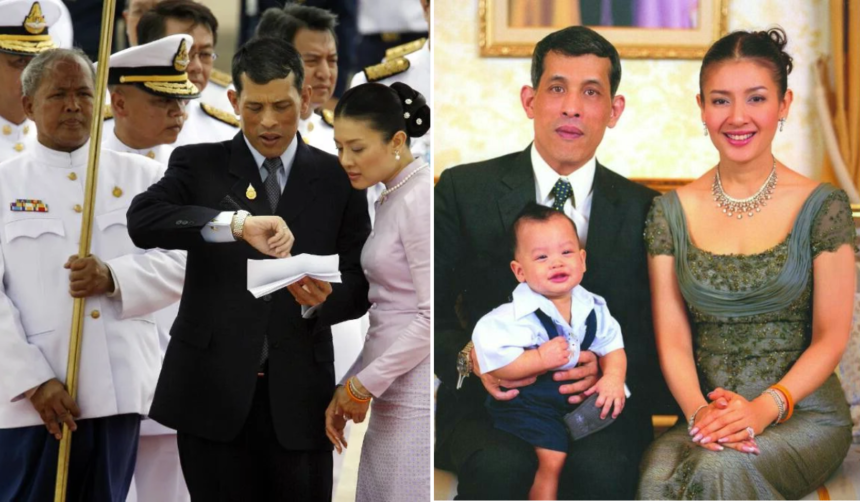
Introduction to Princess Bajrakitiyabha
Princess Bajrakitiyabha was one of Thailand’s most prominent modern royal figures, recognized for combining royal responsibilities with an impressive academic and professional background. Born on December 7, 1978, she was the eldest daughter of King Maha Vajiralongkorn and Princess Soamsawali. Her life included legal education, diplomatic service, public-sector work, humanitarian initiatives, and involvement with international justice issues. She became particularly respected for supporting vulnerable women and promoting improvements in criminal justice. Princess Bajrakitiyabha passing on June 11, 2026, at age 47 marked a significant moment for Thailand’s royal family and ended a life strongly associated with education, public service, law, and social advocacy.
| Quick Bio | Details |
|---|---|
| Full name | Bajrakitiyabha Narendiradebyavati |
| Born | December 7, 1978 |
| Birthplace | Bangkok, Thailand |
| Father | King Maha Vajiralongkorn |
| Mother | Princess Soamsawali |
| Education | Thammasat University, Sukhothai Thammathirat Open University, Cornell University |
| Main fields | Law, diplomacy, justice reform, humanitarian work |
| Diplomatic role | Thai Ambassador to Austria |
| Major advocacy | Women prisoners and criminal justice |
| Royal title | Princess Rajasarini Siribajra |
| Died | June 11, 2026 |
| Age at death | 47 |
Early Life and Royal Family Background
Princess Bajrakitiyabha was born in Bangkok into Thailand’s royal family and grew up surrounded by the country’s longstanding traditions and institutions. As the eldest daughter of King Maha Vajiralongkorn, she occupied an important place within the royal household. Her mother, Princess Soamsawali, was her father’s first wife. From an early age, her upbringing combined royal responsibilities with formal education. Unlike a purely ceremonial public profile, her later career demonstrated an emphasis on professional qualifications and public service. Her family background inevitably placed her in the public eye, but her academic achievements and legal career helped establish an identity beyond royal lineage.
Princess Bajrakitiyabha’s Education
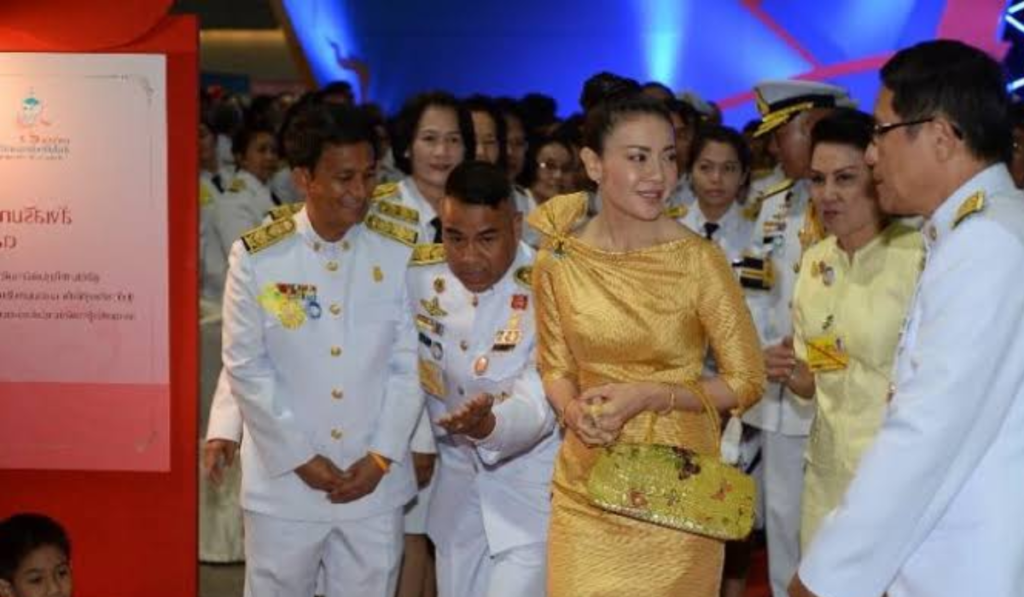
Education became one of the defining foundations of her public life. She attended Rajini School during her early years before continuing her secondary education at Heathfield School in Ascot, England, and Chitralada School in Bangkok. She later pursued law and political science in Thailand. Her academic journey continued internationally when she studied at Cornell University in New York, where she earned advanced legal qualifications. Her educational record reflected a serious commitment to law and international affairs. This combination of Thai and Western education gave her an unusually broad perspective on justice, diplomacy, public institutions, and international cooperation.
Law Degree and Academic Achievements
Her legal education was extensive and became central to her professional identity. She earned an LL.B. from Thammasat University and a degree in political science from Sukhothai Thammathirat Open University. She later completed an LL.M. and a Doctor of the Science of Law at Cornell University. She also received Barrister-at-Law qualification from the Thai Bar Association. These credentials distinguished her as a royal who had developed substantial expertise in a professional discipline. Her academic accomplishments also supported her later work involving criminal justice, legal policy, diplomacy, and the treatment of vulnerable groups within justice systems.
Cornell University and International Perspective
Cornell University played an important role in shaping her professional development. Studying advanced law in the United States exposed her to international legal ideas and different approaches to public policy. Her doctoral studies provided an especially strong academic foundation for understanding complex legal systems. After completing her doctorate, she briefly worked at Thailand’s Permanent Mission to the United Nations in New York. This experience connected her legal training with international diplomacy. It also helped establish a career path that crossed several fields, including law, international relations, public administration, and humanitarian advocacy.
Career as a Public Prosecutor
Her professional career included service within Thailand’s Office of the Attorney General. She was appointed as an attorney in 2006 and later worked in Udon Thani Province. Princess Bajrakitiyabha work as a legal professional was significant because it showed her engagement with Thailand’s justice system beyond ceremonial royal duties. Her legal background gave her practical exposure to public prosecution and the administration of justice. This experience later complemented her advocacy work concerning incarcerated people and women in prison. Her career demonstrated how professional expertise could be combined with public responsibilities to address broader social and institutional concerns.
Diplomatic Career in Austria
Diplomacy became another important chapter in her professional journey. From 2012 to 2014, she served as Thailand’s ambassador to Austria. Reporting also identifies her diplomatic responsibilities in relation to Slovenia and Slovakia. The ambassadorial role placed her in an international environment where communication, negotiation, cultural understanding, and representation were essential. Her legal and international education provided a useful foundation for diplomatic responsibilities. The position also demonstrated the trust placed in her ability to represent Thailand abroad. Her diplomatic career remains an important part of Princess Bajrakitiyabha biography because it expanded her public service beyond domestic legal institutions.
Humanitarian Work and Social Advocacy
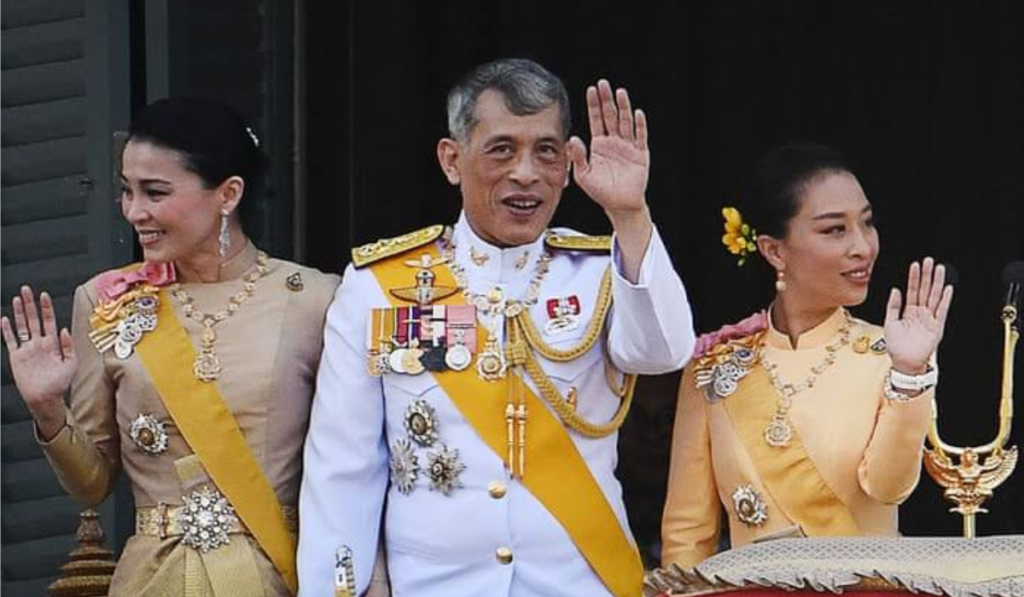
Humanitarian service became closely associated with her public image. She supported initiatives focused on people facing difficult circumstances, especially women involved with the criminal justice system. Her approach emphasized rehabilitation, dignity, opportunity, and practical assistance rather than punishment alone. This work helped connect Princess Bajrakitiyabha royal platform with social issues affecting people who often received limited public attention. Her advocacy was particularly notable because it focused on improving lives through institutional and community-based approaches. Rather than treating humanitarian work as simply symbolic, she connected it with broader discussions about justice, rehabilitation, equality, and social reintegration.
The Kamlangjai Project
One of her best-known initiatives was the Princess Bajrakitiyabha Kamlangjai Project, commonly translated as the “Inspire” project. The initiative focused on providing support to female prisoners and other vulnerable groups. It promoted rehabilitation and assistance for women dealing with difficult circumstances inside and outside prison. The project became an important part of her humanitarian legacy because it addressed practical needs while encouraging a more compassionate understanding of incarceration. Through this work, she helped bring greater attention to the challenges faced by women prisoners, including rehabilitation and preparation for life after release.
Support for Women Prisoners
Her advocacy for incarcerated women was one of the strongest themes of her public service. She highlighted the importance of humane treatment, rehabilitation, and opportunities for prisoners to rebuild their lives. Women in detention can face unique challenges involving family responsibilities, economic hardship, social stigma, and reintegration after release. Princess Bajrakitiyabha initiatives sought to draw attention to these realities. The emphasis on rehabilitation reflected a broader belief that justice systems can protect society while also creating pathways for personal improvement. This approach contributed to her reputation as a royal figure closely connected with legal reform and social justice.
The Bangkok Rules and Global Justice
Her work became connected with international efforts concerning the treatment of women prisoners. The United Nations General Assembly adopted the Bangkok Rules in 2010, establishing international standards addressing women prisoners and non-custodial measures for women offenders. Her advocacy work supported the broader goals associated with improving conditions and recognizing gender-specific concerns within criminal justice. Her public role helped increase awareness of these issues in Thailand and internationally. The Bangkok Rules remain an important reference point in discussions about humane imprisonment, rehabilitation, healthcare, family relationships, and alternatives to incarceration.
United Nations Connection
Her connection with the United Nations was another important element of her international career. Before returning to Thailand, she worked briefly at the Thai Permanent Mission to the United Nations in New York. She was also associated with international efforts concerning criminal justice and women prisoners. These experiences allowed her to operate at the intersection of domestic policy and global cooperation. Princess Bajrakitiyabhainternational work reinforced the idea that justice reform can benefit from collaboration between governments, international organizations, legal professionals, and civil society. Her career therefore extended beyond Thailand’s borders while remaining closely connected to national public service.
Royal Title and Public Standing
Her royal title changed significantly during her lifetime. On July 28, 2019, King Maha Vajiralongkorn elevated her to the title Princess Bajrakitiyabha Narendiradebyavati Kromluangrajasarinisiribajra Mahavajrarajadhita. She was also known as Princess Rajasarini Siribajra. Her formal position reflected her standing within Thailand’s royal institution. Royal titles in Thailand can carry historical and ceremonial significance, making the evolution of her title an important part of understanding her public identity. Her official status existed alongside a professional background that included law, diplomacy, humanitarian initiatives, and public administration.
Military and Royal Security Role
In 2021, she moved into the Royal Security Command and was appointed Chief of Staff of The King’s Close Bodyguard Command with the rank of general. This represented another dimension of her public responsibilities. Her move from legal and diplomatic work into royal security illustrated the variety of duties that senior members of Thailand’s royal family can undertake. It also marked a major change from her earlier professional career in law and diplomacy. Her military appointment added another significant chapter to a biography already distinguished by legal qualifications, international experience, humanitarian advocacy, and public service.
Health Crisis in December 2022
A major turning point occurred in December 2022 when she became seriously ill after losing consciousness because of a heart condition. She was hospitalized at King Chulalongkorn Memorial Hospital in Bangkok on December 15, 2022. The Royal Household Bureau subsequently provided periodic updates about her condition. Princess Bajrakitiyabha illness led to a prolonged period of medical treatment and dramatically changed the public circumstances surrounding her life. For years, the Thai public followed official announcements regarding her health. The lengthy hospitalization became one of the most significant and difficult chapters in her personal story.
Long Hospitalization and Medical Treatment
She remained under medical care at King Chulalongkorn Memorial Hospital for more than three years. Official updates described ongoing treatment and complications during this period. In 2025, the Royal Household Bureau reported that she experienced a severe bloodstream infection, while medical teams continued treatment and support for major bodily functions. Her prolonged hospitalization attracted international attention and generated widespread concern. Throughout the period, official information emphasized the continued efforts of medical professionals. Her health situation was treated with considerable sensitivity, and updates were generally issued through formal royal announcements.
Final Health Complications
In April 2026, doctors detected an abdominal infection associated with inflammation of the large intestine. Official reports said her condition became unstable, involving low blood pressure, irregular heartbeat, and abnormalities in blood clotting. Medical teams continued providing treatment and support for her lungs and kidneys while using antibiotics and medications to manage her condition. Despite sustained medical care, her health deteriorated. These developments ultimately led to the announcement of her death in June 2026. The official account provides the clearest basis for understanding the final stage of her prolonged illness without relying on unverified speculation.
Death at Age 47
Princess Bajrakitiyabha died peacefully at King Chulalongkorn Memorial Hospital in Bangkok at 7:48 p.m. on June 11, 2026. She was 47 years old. The Bureau of the Royal Household announced her death on June 12 and stated that King Maha Vajiralongkorn had directed that royal funeral rites be conducted with the highest honors according to Thai royal tradition. Her death ended a prolonged period of medical treatment that began in December 2022. The announcement prompted widespread attention in Thailand and internationally because of her royal status, professional achievements, and humanitarian legacy.
Legacy in Law and Justice
The legal legacy of Princess Bajrakitiyabha extends beyond her academic credentials. She worked as a public prosecutor, studied law at some of the world’s respected institutions, and supported criminal justice initiatives. Her advocacy emphasized the idea that justice should include rehabilitation and humane treatment. Her work involving women prisoners brought attention to people who often remain on the margins of public debate. This aspect of her career helped create a distinctive public identity based on professional service. Her legacy can therefore be understood through the combination of royal responsibilities, legal expertise, international engagement, and humanitarian concern.
Legacy of the Kamlangjai Initiative
The Kamlangjai Project remains central to understanding her humanitarian impact. Its focus on supporting women prisoners demonstrated how social initiatives could address difficult problems through compassion and practical assistance. The project also reflected a wider philosophy of rehabilitation, encouraging people to prepare for life beyond incarceration. Such work can have effects beyond individual beneficiaries by influencing public conversations about punishment, dignity, and reintegration. Her involvement helped elevate these subjects within Thailand’s public sphere. The initiative remains an important part of the story surrounding her contribution to social welfare and justice-related advocacy.
International Reputation and Public Image
Internationally, her reputation was shaped by an unusual combination of royal status and professional achievement. She was educated in Thailand and the United States, worked within Thailand’s legal system, represented the country diplomatically, and participated in humanitarian causes. This range of responsibilities distinguished her from a figure known only for ceremonial appearances. International media frequently highlighted her legal background and advocacy for prisoners. Her public image was therefore closely associated with competence, education, diplomacy, and social responsibility. Her passing brought renewed attention to these achievements and to the broader role she played in Thai public life.
Family and Personal Life
As the eldest daughter of King Maha Vajiralongkorn and Princess Soamsawali, her family position was significant within the Thai monarchy. Yet much of her public biography centered more on professional service than private life. She maintained a relatively formal public profile, with her legal career, diplomatic assignments, humanitarian initiatives, and royal duties receiving considerable attention. Her personal circumstances were often less prominent than her public responsibilities. This distinction is important when examining her biography because it places greater emphasis on her professional accomplishments and institutional contributions rather than speculation about private matters.
Why Her Life Remains Important
Her life remains important because it illustrates how education and professional expertise can shape a modern royal career. She was not limited to ceremonial responsibilities; instead, she developed expertise in law, worked in public prosecution, served as a diplomat, supported vulnerable communities, and undertook royal security duties. Her work involving women prisoners also connected Thai social policy with international standards. These accomplishments provide a multifaceted picture of her public service. Her death at 47 brought an early end to a career that had already crossed law, diplomacy, humanitarian work, and royal responsibilities.
Lasting Influence on Thailand
Her influence can be seen through the institutions, initiatives, and conversations connected to her work. Her advocacy helped bring attention to rehabilitation and the treatment of female prisoners, while her diplomatic service demonstrated her ability to represent Thailand internationally. Her legal education gave her a professional foundation that informed much of her public work. Although no single person can transform a justice system alone, sustained advocacy can help encourage institutional discussion and public awareness. Her legacy is therefore best viewed as a combination of professional service, humanitarian concern, international engagement, and dedication to vulnerable communities.
Remembering a Life of Public Service
The story of Princess Bajrakitiyabha is ultimately a story of public service shaped by education, law, diplomacy, humanitarian work, and royal responsibility. Her life included significant accomplishments before a long illness changed her circumstances. Her death in June 2026 brought renewed attention to the work she had undertaken throughout her career. Her support for women prisoners and rehabilitation remains particularly meaningful because it addressed complex social problems with an emphasis on dignity and opportunity. Remembering her legacy requires looking beyond her royal identity and recognizing the professional and humanitarian contributions that defined much of her public life.
Frequently Asked Questions
1. Who was Princess Bajrakitiyabha?
- She was the eldest daughter of King Maha Vajiralongkorn and Princess Soamsawali, known for her legal, diplomatic, royal, and humanitarian work.
2. What did Princess Bajrakitiyabha study?
- She studied law and political science in Thailand and earned advanced legal degrees from Cornell University in the United States.
3. What was Princess Bajrakitiyabha known for?
- She was especially known for legal work, diplomacy, support for women prisoners, criminal justice advocacy, and the Kamlangjai Project.
4. When did Princess Bajrakitiyabha die?
- She died on June 11, 2026, at King Chulalongkorn Memorial Hospital in Bangkok at the age of 47.
5. What is her lasting legacy?
- Her legacy includes legal service, international diplomacy, humanitarian advocacy, support for incarcerated women, and efforts promoting rehabilitation and justice reform.
Final Thoughts
Princess Bajrakitiyabha left a distinctive legacy within Thailand’s modern royal history. Her academic achievements, legal career, diplomatic service, humanitarian initiatives, and royal responsibilities created a public life that went far beyond ceremonial duties. Her support for women prisoners and rehabilitation remains especially significant, while her international experience connected Thai public service with wider global conversations about justice. After her death on June 11, 2026, her contributions continue to attract attention from people interested in Thailand, royalty, law, diplomacy, and humanitarian work. Readers seeking additional background can explore the related Wikipedia biography of Bajrakitiyabha for further historical and biographical information.