



Joanne Schieble was born on August 1, 1932, in Green Bay, Wisconsin, into a traditional German‑Swiss American family with strong Catholic roots. Growing up in the 1930s and 1940s meant being raised in a world where cultural expectations for women were strict and deeply rooted in religious and social norms. Joanne’s upbringing was shaped by the values of responsibility, modesty, and unwavering devotion to family traditions — principles that would later significantly influence the choices she made in her personal life. Despite prevailing societal norms that largely limited women’s opportunities outside marriage and motherhood, Joanne pursued her education with determination, taking a path that was not common for many women of her era.
Her decision to attend the University of Wisconsin and study speech‑language pathology reflected a drive to build her own identity beyond conventional expectations. This foundation of intellectual curiosity and ambition would be tested years later, when Joanne would face heartbreaking decisions that altered the course of history — not just for her own family, but for the world.
Quick Bio: Joanne Schieble
| Attribute | Details |
| Full Name | Joanne Carole Schieble |
| Date of Birth | August 1, 1932 |
| Place of Birth | Green Bay, Wisconsin, USA |
| Nationality | American |
| Education | University of Wisconsin (Speech Pathology) |
| Known For | Biological mother of Steve Jobs |
| Children | Steve Jobs, Mona Simpson |
| Religion (Upbringing) | Catholic |
| Occupation | Speech‑Language Pathologist |
| Later Life | Private, academic life |
A Love Story That Challenged Cultural Boundaries
During her college years, Joanne met Abdulfattah “John” Jandali, a Syrian graduate student studying political science. Though they came from completely different cultural and religious backgrounds — she was a Catholic German‑American, and he was a Muslim from Syria — the two fell in love. At a time when interracial and interfaith relationships were often frowned upon, this union quickly became a source of conflict with Joanne’s conservative family.
Joanne’s father openly disapproved of the relationship because of Jandali’s ethnicity and religion. This tension intensified when Joanne became pregnant while still in her early twenties. In 1955, before societal attitudes could soften, she made the painful decision to travel to San Francisco to quietly give birth to their son away from the scrutiny of her community and family.
The intersection of love, cultural expectations, and societal pressures illustrates just how difficult Joanne’s early adult life was. Her story reflects a woman caught between her personal affections and the rigid traditions of her upbringing — and it was in this crucible of conflict that the first chapter of Steve Jobs’ life story began.
Birth of Steve Jobs and the Adoption Decision

On February 24, 1955, Joanne gave birth to her son in San Francisco. She named him Steven Paul Jobs at birth. But because of the intense pressure from her family and the stigma surrounding unwed mothers at the time, she made the agonizing decision to place her newborn son for adoption.
Joanne had one specific wish in mind — that her child be adopted by a family who valued education and would provide a safe, nurturing home. The adoptive couple who ultimately raised him, Paul and Clara Jobs, were hardworking and loving, though they didn’t perfectly match every one of her criteria. Paul was a machinist and Clara was a bookkeeper, and they gave the young Steve the kind of stability and encouragement that shaped his early years.
This difficult early choice by Joanne Schieble had profound implications. Without it, Steve Jobs might not have been placed in an environment that helped develop his creative genius — ultimately transforming industries and changing the way the world interacts with technology.
Life After Adoption: Marriage and a New Family
After the adoption, Joanne returned to her studies and built a life focused on personal growth and family. She and Abdulfattah Jandali eventually married and had another child, a daughter named Mona. Later, they separated, and Joanne married again, taking the surname Simpson — which her daughter Mona later carried.
Her daughter Mona Simpson grew up to become an accomplished author and literary figure, gaining recognition for novels that often reflect complex family dynamics and emotional landscapes. The relationship between Joanne and Mona was close and nurturing, and Mona’s success added another dimension to Joanne’s legacy as a strong, resilient woman.
Unlike many others whose lives are defined by fame, Joanne’s professional life was quieter and more private. She pursued speech‑language pathology and dedicated herself to her family and academic pursuits, always remaining mindful of the importance of privacy and discretion — values she had learned early in life.
Reunion With Her Son: A Complex and Emotional Chapter

For many years after the adoption, Steve Jobs had limited knowledge about his biological parents. He was raised by his adoptive parents and always knew he was adopted, but it wasn’t until his adulthood that he decided to seek out his birth family. It was during the mid‑1980s that Jobs located Joanne, initiating a reunion that was private, respectful, and emotionally charged.
Their reconnection was not typical of most reunited families — it was complex, shaped by decades of separation, unanswered questions, and the unique life Steve had lived. But the reunion brought them together, and though their relationship was not deeply public, they maintained contact and shared moments of understanding and reconciliation.
Joanne’s quiet strength and her emotional resilience in facing this reunion reflect her character — someone who lived with her choices while still opening her heart to reconciliation and connection years later.
Joanne Schieble’s Personal Traits and Legacy
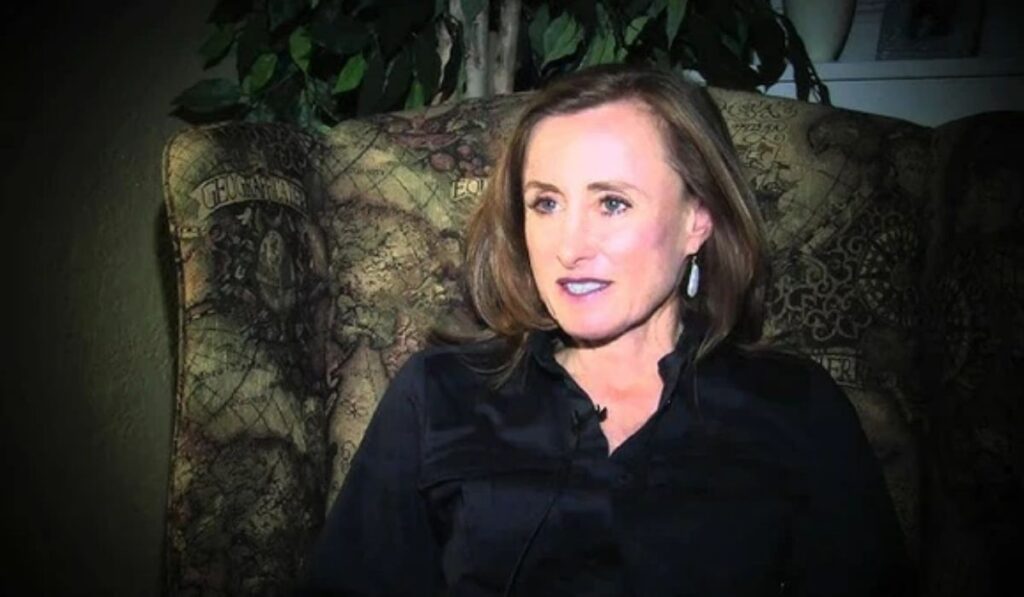
Joanne Schieble was known as a private and thoughtful woman. Though her name rarely appeared in public records or headlines during her lifetime, the significance of her decisions is inextricably tied to modern history. Through her children — one a tech visionary and the other an acclaimed novelist — her influence echoes in both technological innovation and literary art.
Her personal journey — from a young woman challenging cultural expectations, to making the hardest decision of her life, to eventually reuniting with her son — is a powerful illustration of sacrifice, love, resilience, and personal growth. Even though she lived most of her life outside of public attention, the impact of her choices rippled far beyond her reach.
Joanne Schieble’s Later Years and Passing
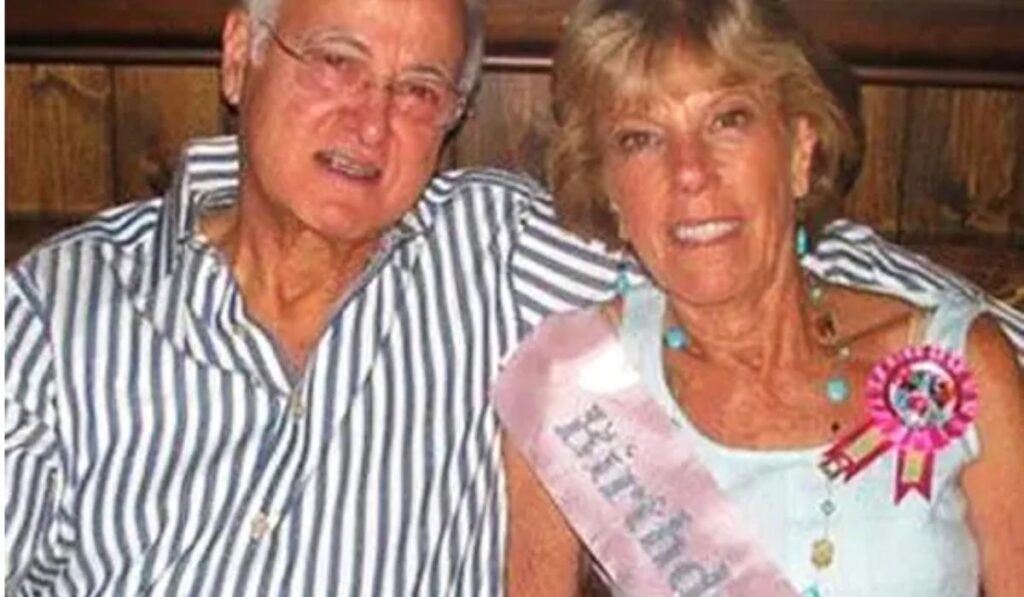
As time passed, Joanne remained out of the limelight, focused on family life and her personal pursuits. She lived a life marked by depth, discretion, and dignity. In her later years, she stayed close to her family, including her daughter Mona and her son Steve until his passing in 2011. Her own death came years later, closing a chapter defined not by fame or fortune — but by grace, resilience, and unwavering strength.
Remembering Joanne Schieble
Joanne Schieble’s story is far more than a footnote in the life of one of the world’s most influential innovators. It’s a testament to the courage of a young woman facing immense social pressure, making a choice that would forever influence global history, and embracing healing and connection later in life. Her legacy lives on through the achievements of her children and the countless lives influenced by Steve Jobs’ contributions to technology.
Frequently Asked Questions
1. What was Joanne Schieble’s background?
- She was born in Wisconsin, raised in a German‑Swiss Catholic family, and pursued higher education.
2. Why did she place Steve Jobs for adoption?
- Due to societal and family pressure against her relationship with his father.
3. Did Steve Jobs ever meet his birth mother?
- Yes — they reunited in the mid‑1980s and kept in touch.
4. Who is her other famous child?
- Her daughter: novelist Mona Simpson.
5. What was her profession?
- She worked in speech‑language pathology and lived a private life.