


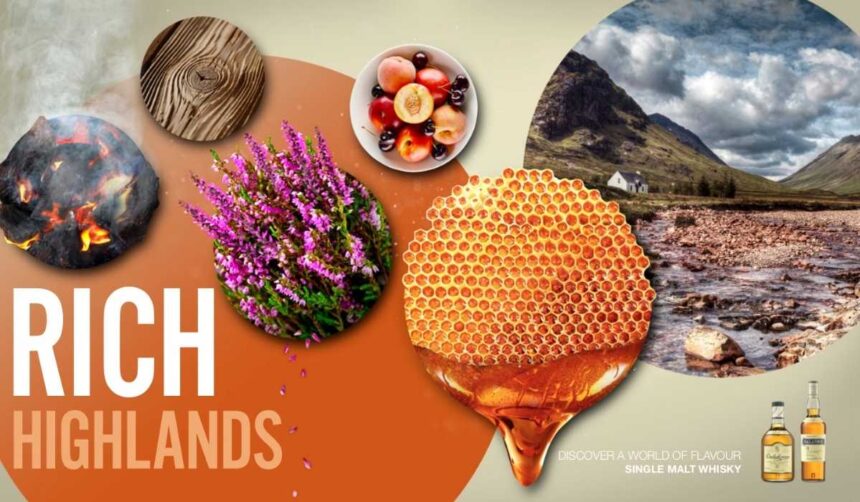
Scotch whisky is a product of centuries of craftsmanship, regional heritage, and natural resources, and the nuances of its taste are what define its global appeal. Understanding scotch flavors requires more than simply sipping; it involves exploring how geography, climate, ingredients, and aging techniques combine to produce distinct flavor profiles. The taste of Scotch varies dramatically depending on the region, the type of cask used for maturation, and the production methods applied by each distillery. By studying scotch flavors, whisky enthusiasts can deepen their appreciation for this complex spirit and make more informed choices when selecting bottles that suit their palate.
Understanding Scotch Flavors
Scotch flavors encompass a broad spectrum, from smoky and peaty to sweet, fruity, and floral. These flavors result from a combination of ingredients, such as malted barley, yeast strains, and water, as well as processing methods like malting, fermentation, distillation, and maturation. The influence of the cask is particularly significant, with oak barrels contributing vanilla, spice, and caramel notes, while sherry casks add dried fruit richness. Mastering the understanding of scotch flavors enables enthusiasts to identify subtle characteristics, distinguish between regions, and enjoy the full complexity of each whisky’s profile.
Highland Scotch Flavors
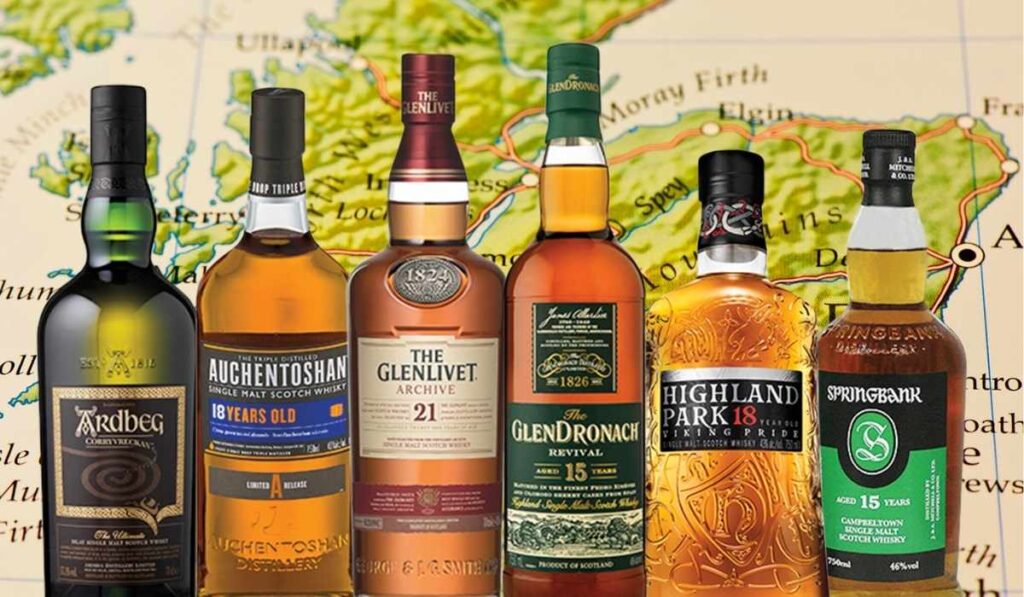
Highland whiskies are among the most diverse in Scotland, encompassing both rich, bold malts and lighter, more elegant expressions. The scotch flavors in this region often combine fruit, malt sweetness, and gentle spice, sometimes with faint smoke. Highland whiskies are celebrated for their versatility, providing a balance between approachable and complex profiles. Distilleries located near mountains or lochs benefit from clean water sources and climatic variation, which influence fermentation and aging, producing scotch flavors that can range from floral and fruity to earthy and robust, giving whisky lovers a wide spectrum to explore.
Speyside Scotch Flavors
Speyside is known for producing some of the smoothest and most aromatic Scotch whiskies. The scotch flavors here are typically sweet, featuring notes of apple, pear, honey, vanilla, and light spice. The region’s soft water and temperate climate contribute to gentle, approachable flavors that are often enjoyed by new and seasoned whisky drinkers alike. Many Speyside distilleries use sherry casks for maturation, which enhances the scotch flavors with rich dried fruits, caramel, and nutty undertones. This combination of sweetness and complexity makes Speyside whiskies a defining example of classic Scotch.
Islay Scotch Flavors
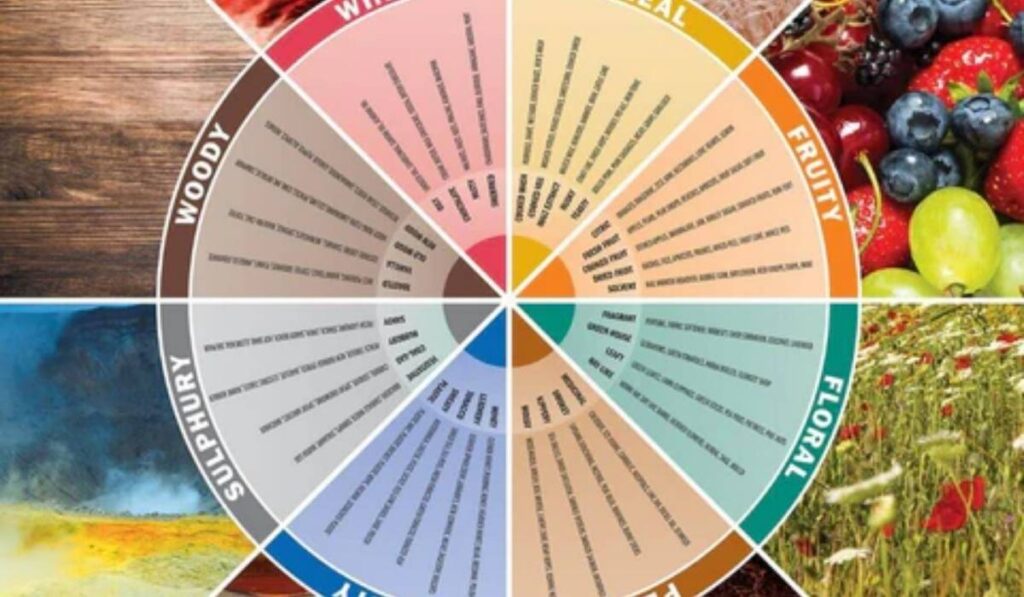
Islay whiskies are characterized by their bold, smoky, and peaty nature. The scotch flavors of Islay often carry a briny, medicinal, and maritime quality due to the island’s peat-rich soil and proximity to the sea. Typical tasting notes include smoke, iodine, seaweed, and charred oak. Islay whiskies are full-bodied and can be intense for some drinkers, but enthusiasts prize their depth and distinctive character. The unique environmental conditions contribute significantly to these scotch flavors, making them instantly recognizable and highly sought after by those who enjoy powerful and assertive whiskies.
Lowland Scotch Flavors
Lowland Scotch whiskies are often light, floral, and delicate. The scotch flavors in this region emphasize subtle sweetness, grassy notes, citrus, and soft malt character. Many Lowland whiskies are triple-distilled, creating a smooth, refined profile that contrasts with the more robust Highland or Islay expressions. The region’s gentle climate and soft water contribute to the light and approachable nature of these whiskies. For enthusiasts seeking a milder introduction to Scotch, the scotch flavors of Lowland whiskies provide a perfect starting point without overwhelming intensity.
Island Scotch Flavors

Island whiskies, from regions such as Skye, Orkney, and Jura, offer a balance between peated and sweet profiles. The scotch flavors of these islands often combine coastal saltiness with gentle smoke and fruit notes. Some island whiskies are heavily peated, while others are smoother and more balanced. The variety in scotch flavors across the islands allows whisky drinkers to explore complex and layered expressions that bridge the gap between robust Islay malts and the sweeter Speyside or Highland profiles.
Factors Affecting Scotch Flavors
Numerous factors contribute to the development of scotch flavors, including the peat level, water source, barley type, fermentation period, distillation method, and cask selection. Peat adds smoky, earthy tones, while cask aging introduces spice, caramel, and fruit complexity. Even storage conditions, humidity, and temperature variations can subtly influence the flavor profile over time. By understanding these elements, whisky enthusiasts can better predict the tasting notes of different bottles and select whiskies that match their personal preferences in scotch flavors.
Tasting and Appreciating Scotch Flavors
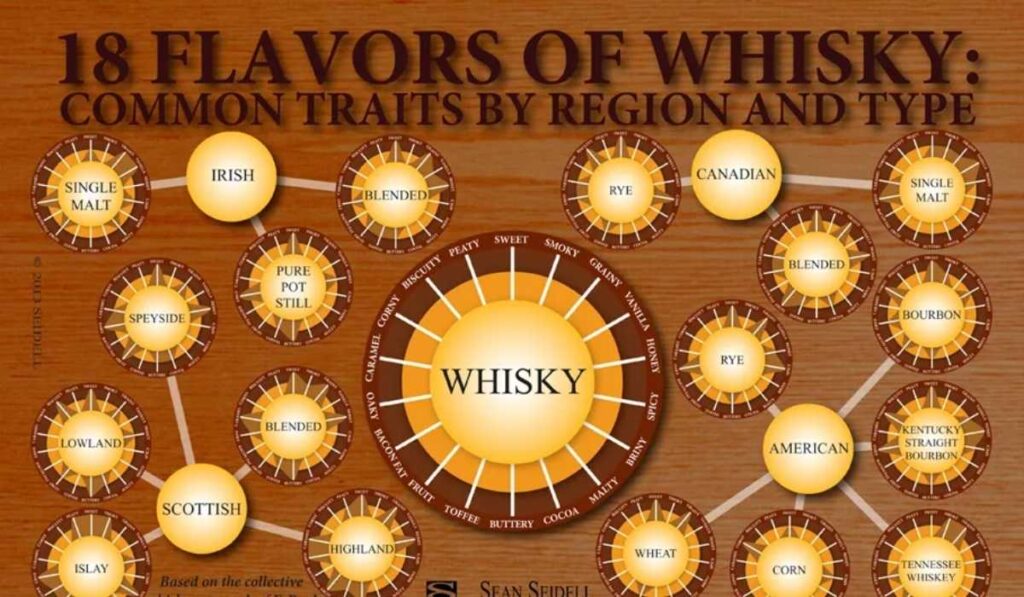
Tasting Scotch involves more than just sipping; it requires attention to aroma, mouthfeel, and finish. When exploring scotch flavors, it is important to consider the nose, palate, and aftertaste separately. A rich, smoky Highland malt may reveal hints of peat and oak, while a Speyside whisky may highlight sweetness and fruitiness on the finish. Taking time to analyze each note helps deepen appreciation for the subtleties of scotch flavors and enhances the overall whisky experience. Professionals often recommend tasting multiple regional styles side by side to recognize the distinctive characteristics and signature notes of each region.
Pairing Scotch Flavors with Food
Pairing Scotch with food can further elevate the tasting experience. Sweet scotch flavors like those from Speyside complement desserts and creamy cheeses, while smoky Islay whiskies pair well with smoked meats, rich stews, and dark chocolate. Highland whiskies’ complexity allows them to match a variety of dishes, from roasted vegetables to spiced nuts. By understanding scotch flavors, enthusiasts can create culinary pairings that highlight both the food and the whisky, turning a simple drink into a sophisticated sensory experience.
Final Thoughts
The world of Scotch whisky is defined by its scotch flavors, shaped by geography, ingredients, and craftsmanship. From the smoky, bold whiskies of Islay to the sweet, fruity malts of Speyside, each region offers a unique profile that caters to different tastes and preferences. Exploring these regional profiles enhances the appreciation for Scotland’s national spirit and allows drinkers to navigate the diversity of scotch flavors with confidence. To learn more about the intricacies of whisky and its taste profiles, explore scotch flavors.
Frequently Asked Questions
1. What are scotch flavors?
- Scotch flavors refer to the distinctive taste profiles created by region, ingredients, and aging techniques
2. Which region produces the sweetest Scotch flavors?
- Speyside is known for sweet, fruity, and approachable scotch flavors
3. Why are Islay scotch flavors smoky?
- Islay uses peat in malting, producing smoky and earthy scotch flavors
4. Can Lowland scotch flavors be considered light?
- Yes, Lowland whiskies often feature delicate, floral, and soft scotch flavors
5. How can I appreciate different scotch flavors?
- Tasting multiple regions side by side helps recognize and appreciate subtle scotch flavors